BUSINESS PROBLEM
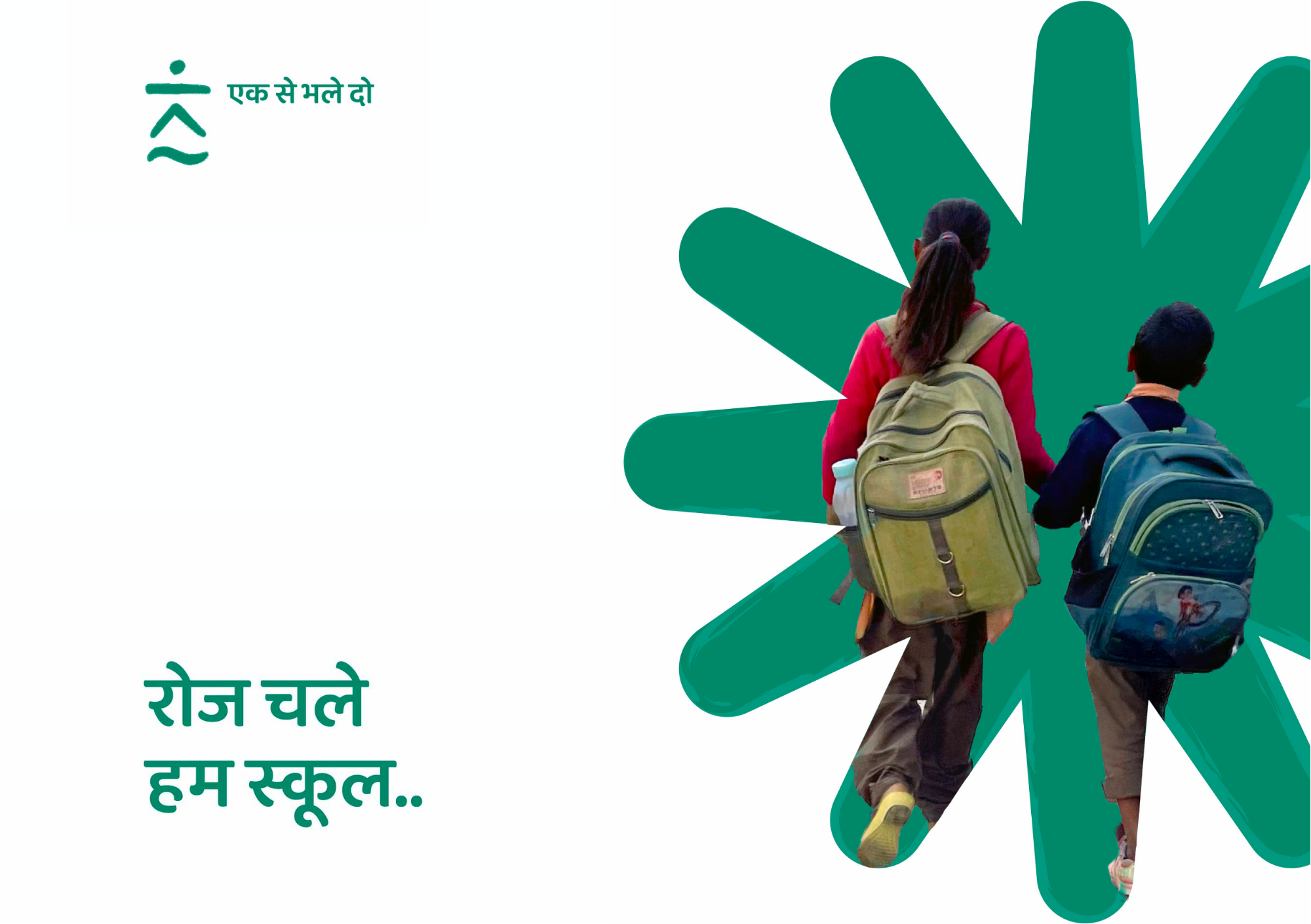
Government schools in India struggle with regular student attendance and dropouts.
RESEARCH METHOD
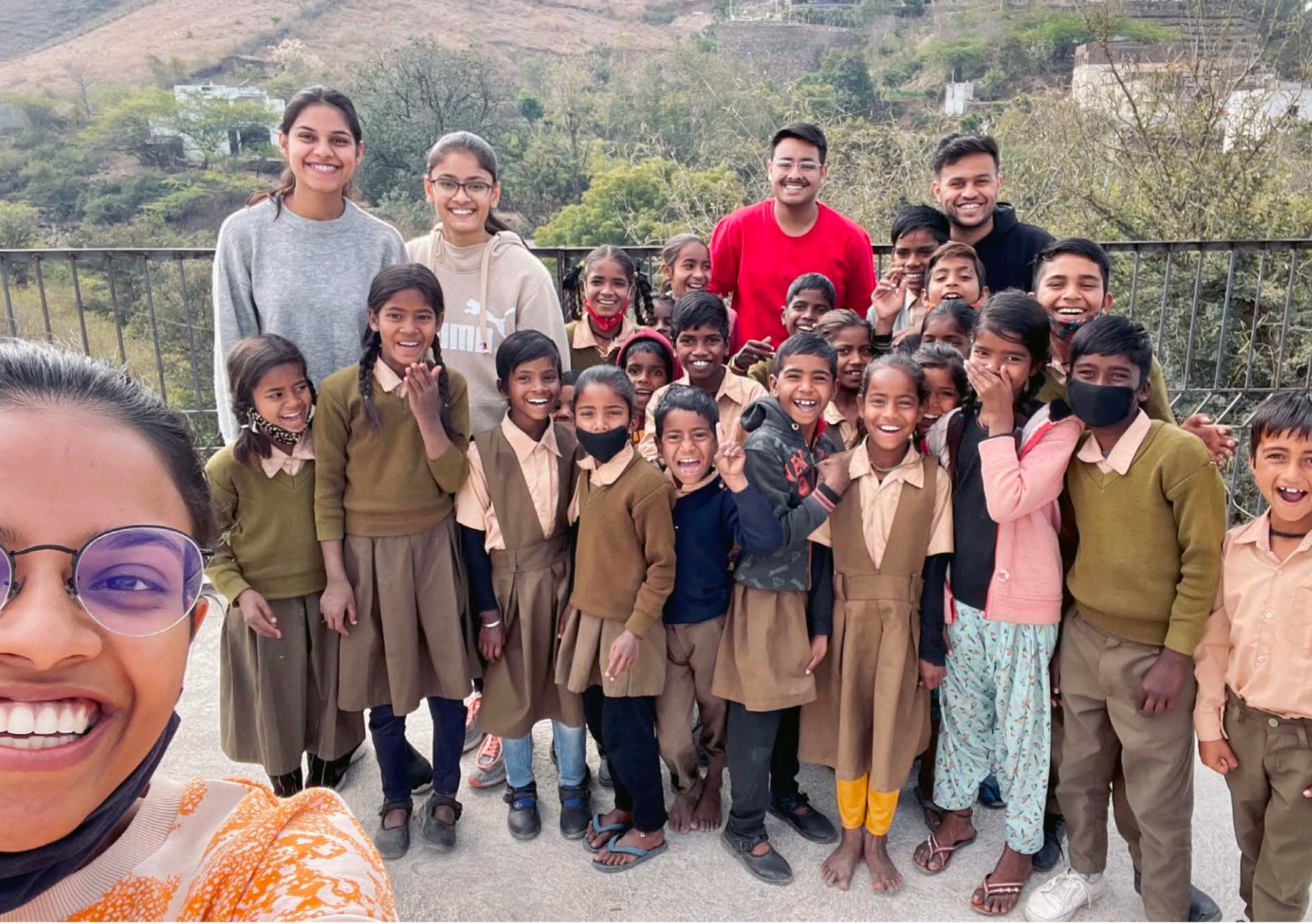
Primary research across 13 government schools in Udaipur, Rajasthan, India. Interviews with students, parents, and teachers. Secondary research on Indian government school systems, policies, and global education models.
INSIGHT
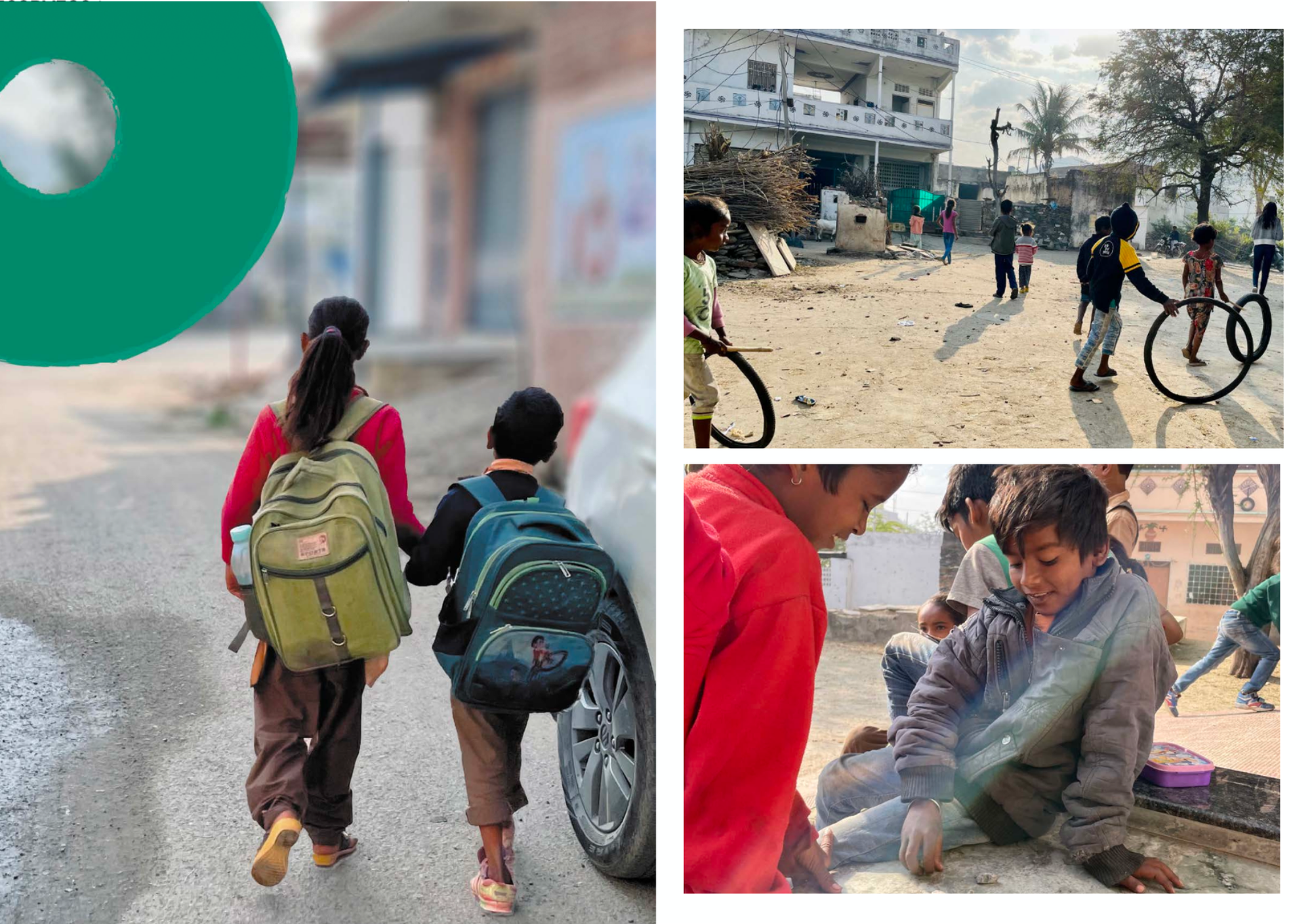
While speaking to students, parents, and teachers, I realised that the perceived priority of education was weak, often competing directly with helping parents for daily economic survival. Crucially, attendance decisions were rarely individual—they were heavily influenced by peer buddy dynamics and social companionship.
SOLUTION
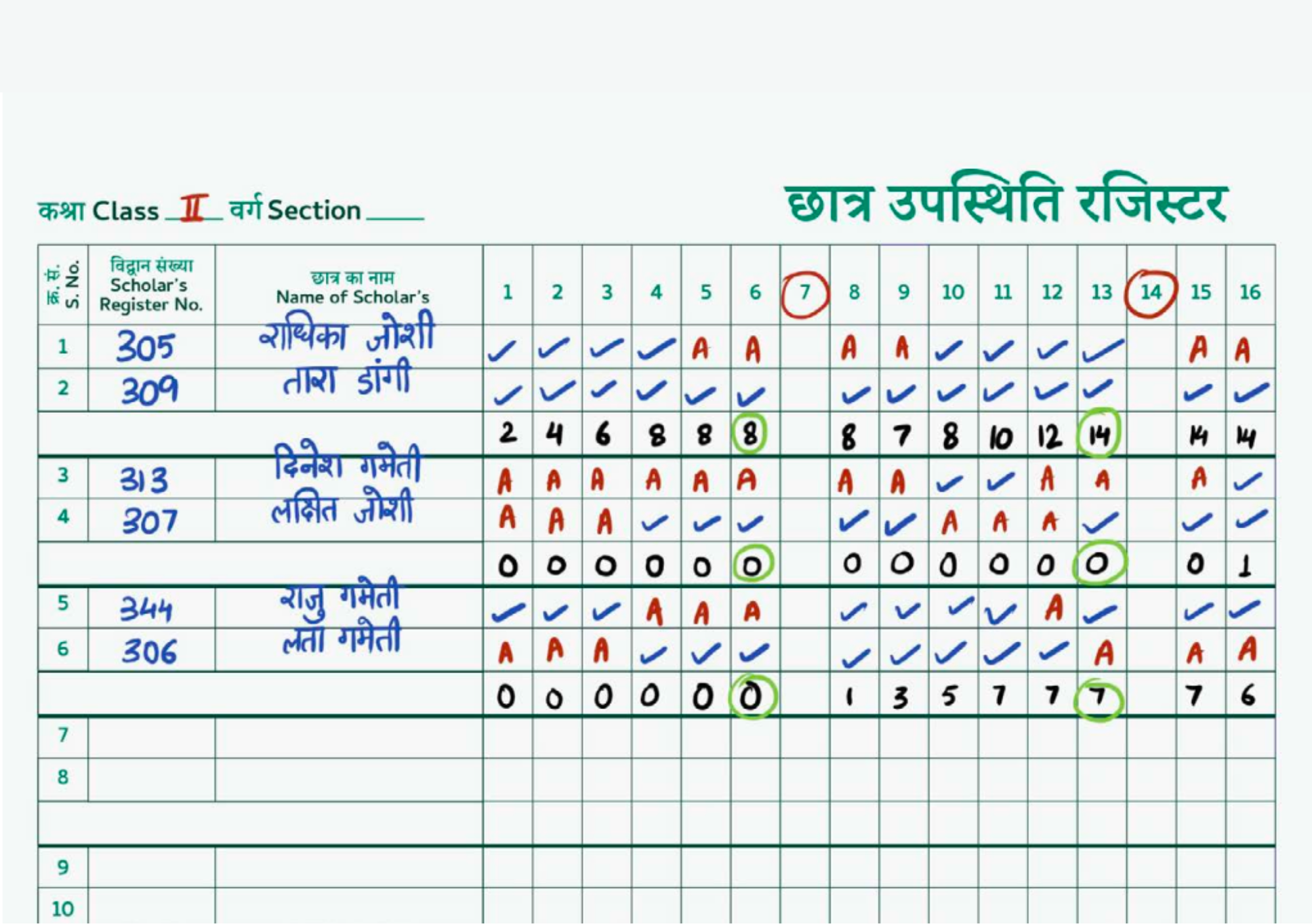
I designed a behavioral system that treated pairs of students as the primary unit of participation instead of isolated individuals. Students were paired by teachers, and attendance was tracked together rather than separately.
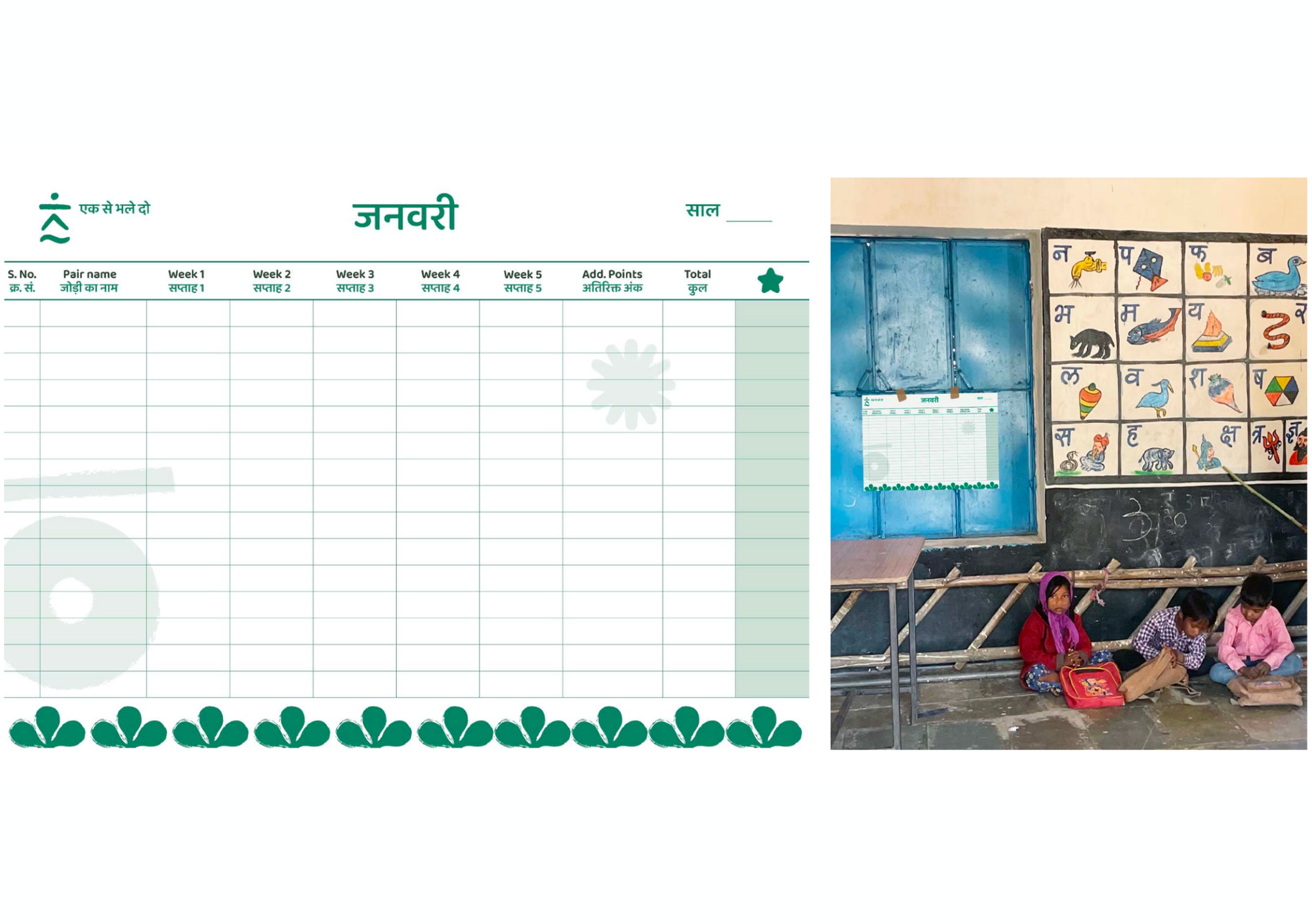
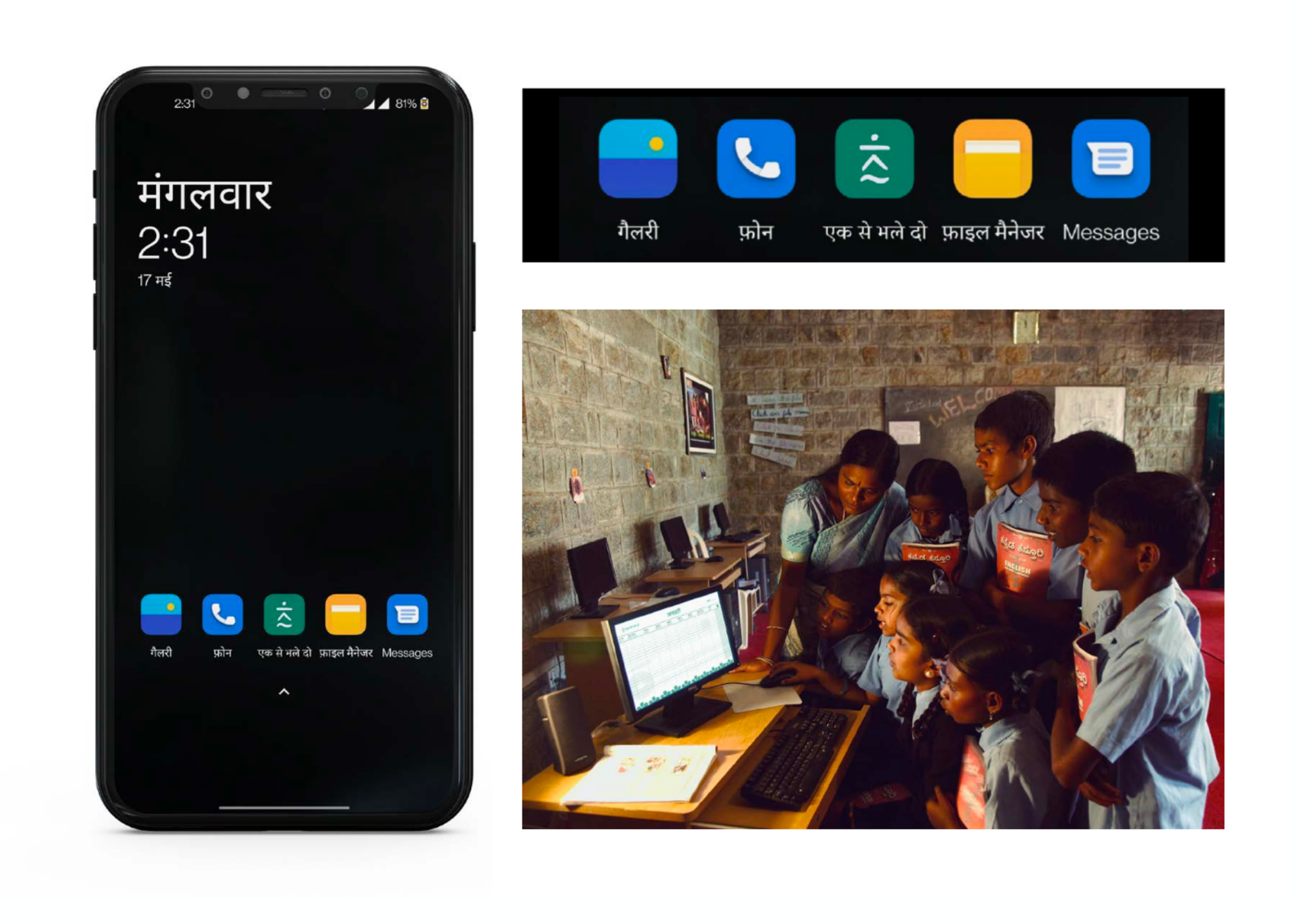
Consistent attendance earned collective points, while breaks in the streak reduced them. Progress was made visible inside classrooms through simple physical gamified charts, and monthly rewards were used to keep motivation high. The system relied on positive peer accountability rather than punitive external pressure.